UvA Library Secrets
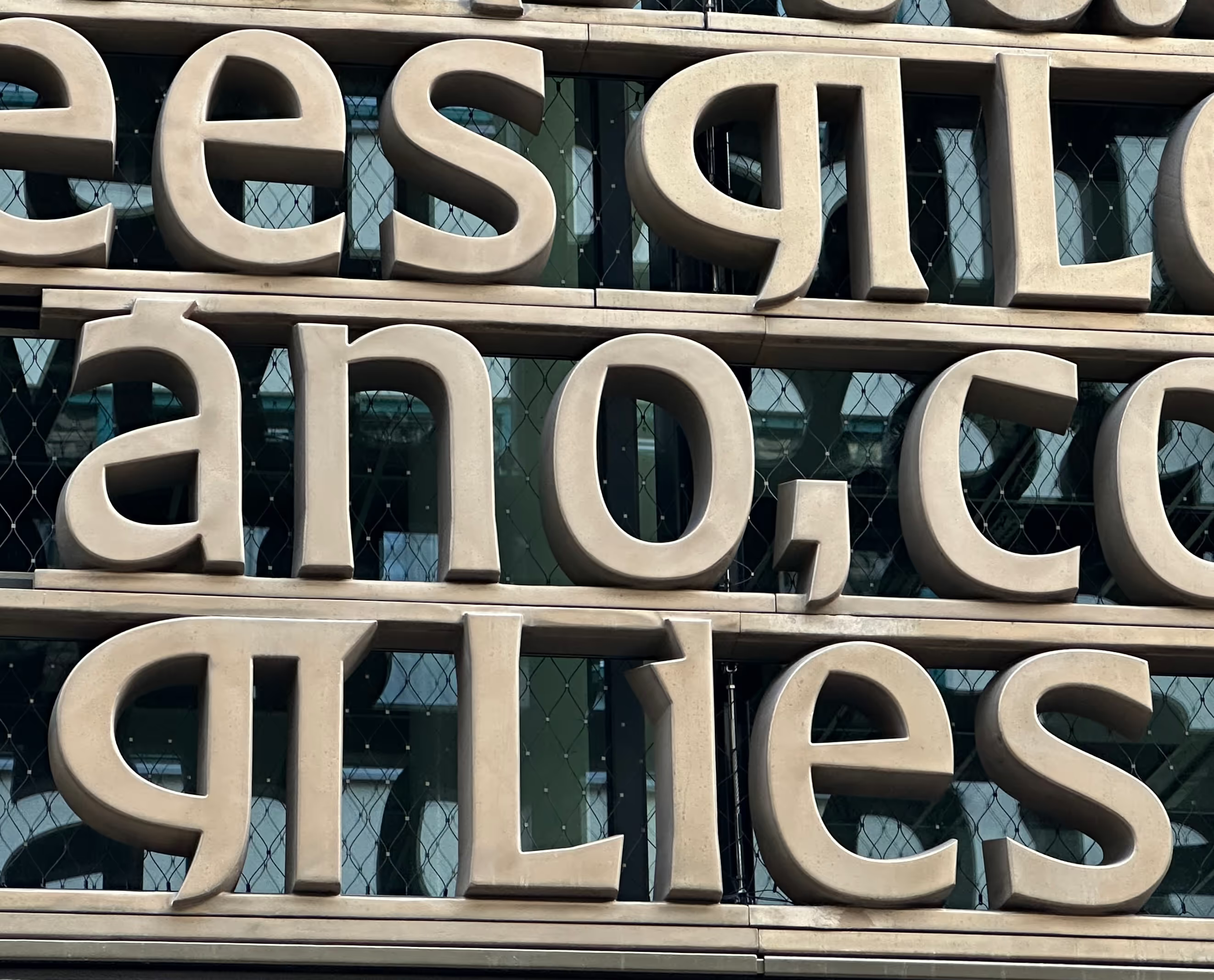
For the careful observer: there is a puzzle to solve with the Pilcrow symbols.
In the midst of the languages and writing systems on the facade of the UvA library, there is another, secret message, using a technique called steganography. This message is not encrypted, but hidden between other things. If you know where to look you can find it.
In the text on the building you can see special symbols that separate the different languages. Like a mirrored P, the pilcrow is a very old symbol to indicate a new section. The different translations needed to be separate. In print this could be achieved with adding some white. But gaps are unwanted in this project, and so the Pilcrow has a job to do.
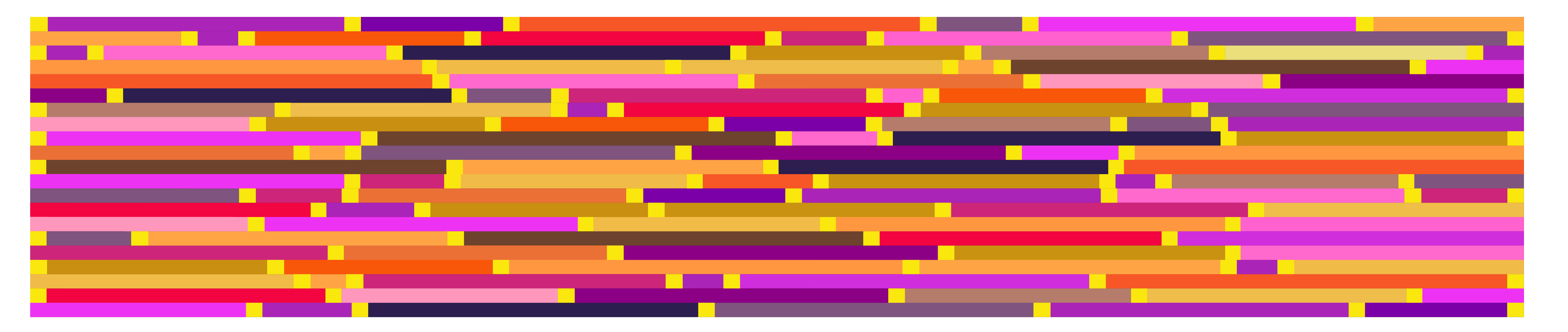
The pattern The lettering of the UvA Library has 119 of such pilcrows. This map show where the are.
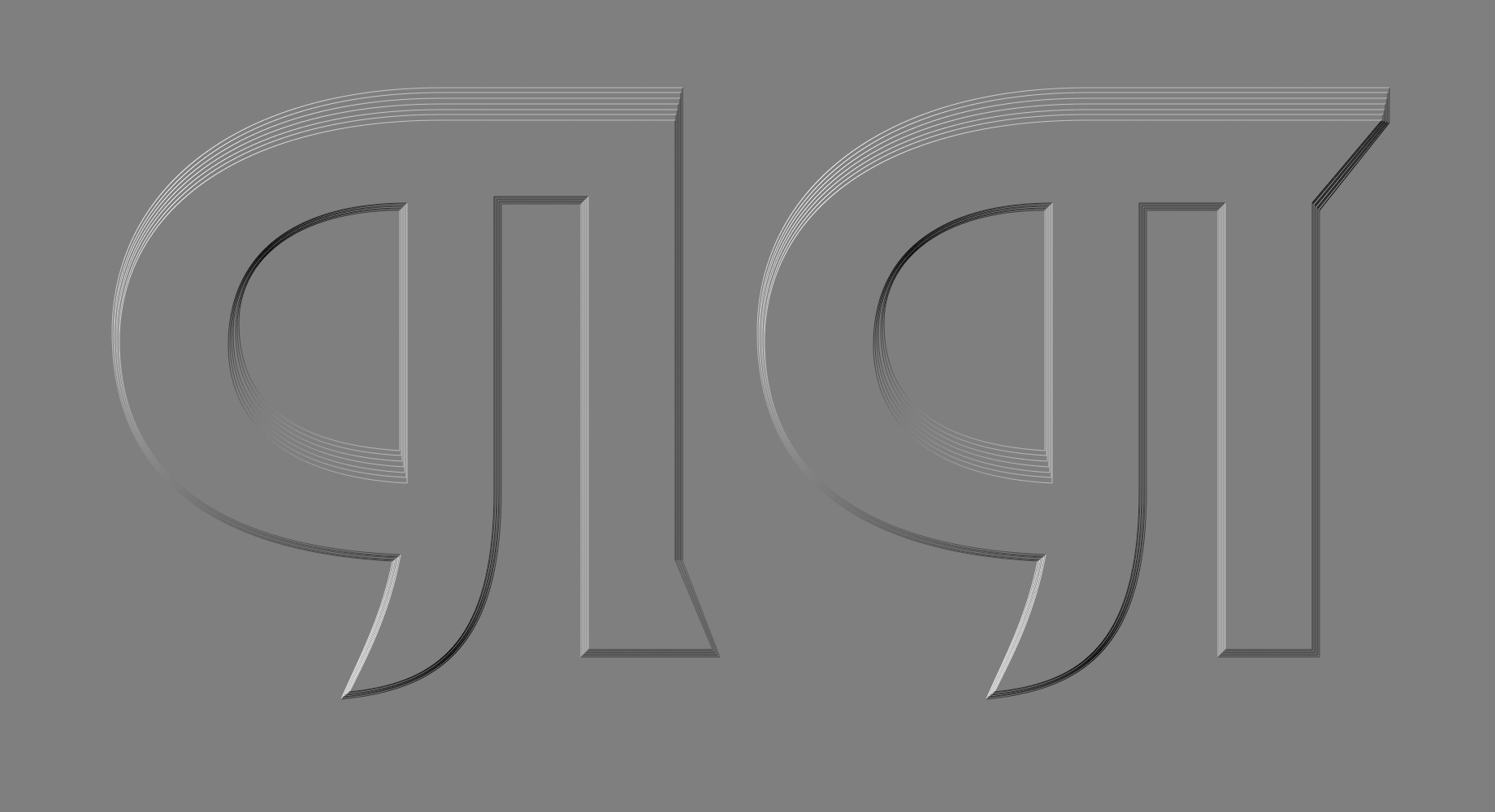
The two different pilcrows that appear on the UvA building. One has a serif at the bottom right, the other has a serif at the top right.
Spoilers
In this lettering you can recognise two slightly different versions for the pilcrow. You might take this difference for a stylistic flourish. But the difference is significant. By using these two designs as bits, either a 1 or 0, these separators encode a binary message.
A computer stores its data as combinations of 1 and 0, bits. For instance 00000111 is the number 7 and 01101010 is the number 106. In the early days of computing engineers assigned letters to these numbers. So 65 was assigned to A, and 97 was assigned to a. This table was called “ASCII”, or American Standard Code for Information Interchange.
So, these 119 pilcrows then make 119 bits, which in turn can be grouped into 17 groups of 7 bit. Which can be interpreted as 17 ASCII characters. Figure all that out and the facade spells out some text.